What Are Seattle's Hidden Gems?
A local-angle guide to Seattle's overlooked corners, from the Ballard Locks fish ladder and Lake Union's wooden boats to the Overlook Walk, the Bainbridge ferry and whale watching on Puget Sound.
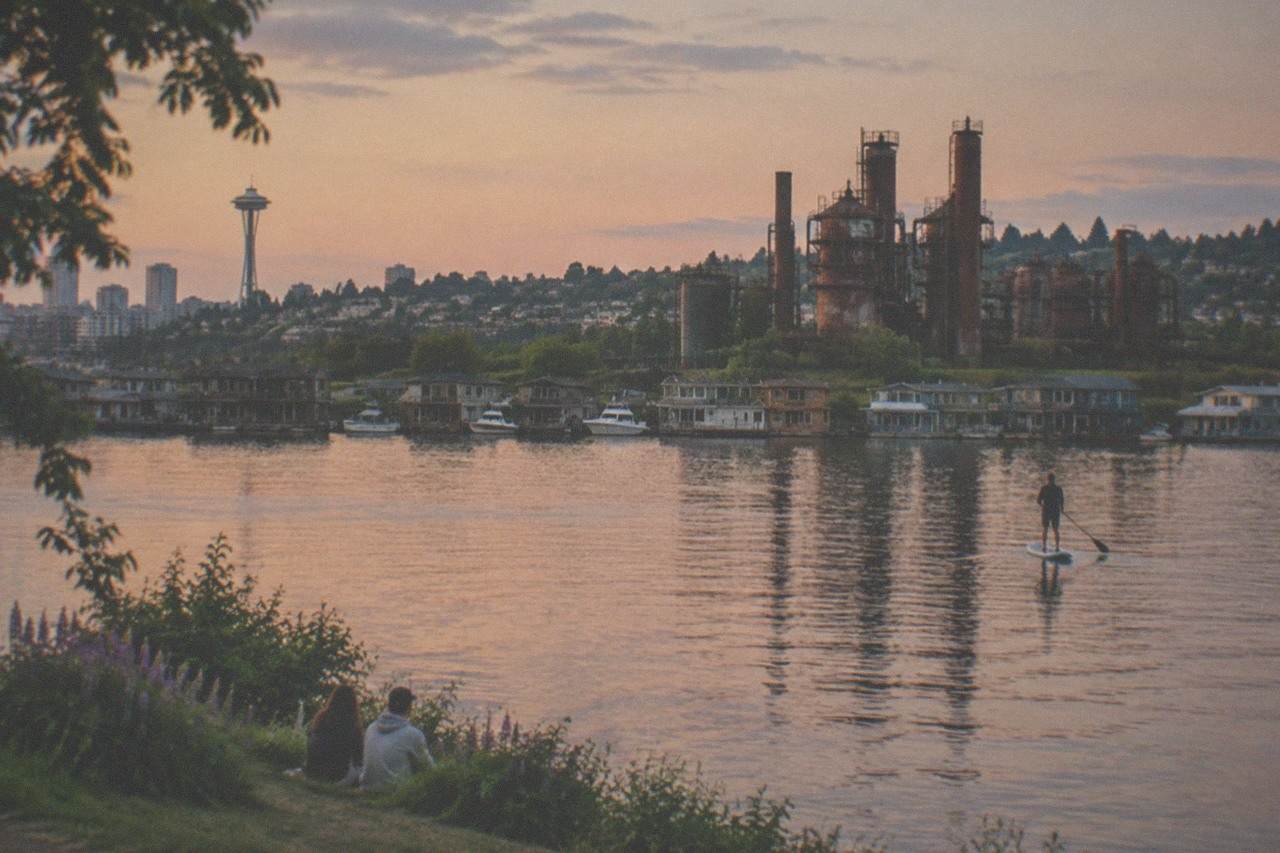
What Are Seattle's Hidden Gems?
Seattle rewards visitors who slow down. The city's best-known attractions draw the crowds, but a short bus ride, a ferry hop or an hour on the water reaches places that even many locals forget to recommend: a concrete window where salmon climb a ladder between saltwater and freshwater, a lake full of floating homes and century-old wooden boats, an elevated park that links Pike Place Market to the shoreline, and a whale-watching route that most tourists assume requires a trip to the San Juan Islands.
What Are Seattle's Hidden Gems?
The short list is the Ballard Locks fish ladder, the Center for Wooden Boats and the floating homes on Lake Union, the Overlook Walk and Pier 58 on the new central waterfront park, the Center for Wooden Boats' free Sunday public sails, and the whale-watching grounds of Puget Sound, reachable on half-day trips from the city itself. Each sits within about 30 to 40 minutes of downtown.
That list is deliberately concrete. Hidden gems articles drift into filler fast, so every place named here is a real, verifiable spot with an address, an operator or an official body behind it. Some are free, some cost a ferry fare, and a couple are best reached on a boat, which is where a sightseeing cruise quietly becomes the most efficient way to see several of them in a single hour.
The pattern across all of them is water. Seattle is a city built on an isthmus between Puget Sound and Lake Washington, stitched together by a ship canal, and the overlooked corners are almost all on or beside that water. The table below is the map of the rest of this article.
| Spot | Neighborhood | What It Is | Why It Gets Missed |
|---|---|---|---|
| Ballard Locks fish ladder | Ballard | Underwater salmon-viewing window at the Chittenden Locks | Visitors watch the boats, not the fish room |
| Center for Wooden Boats public sails | South Lake Union | Free short sails on historic wooden boats, first-come | Almost no signage or marketing |
| Floating homes on Lake Union | Eastlake and South Lake Union | Houseboat communities, some over a century old | Only visible from the water |
| Overlook Walk and Pier 58 | Central waterfront | Elevated park linking Pike Place Market to the bay | New enough that guidebooks lag behind |
| Bainbridge Island ferry | Colman Dock, Pier 52 | 35-minute public crossing with mountain views | Treated as transit, not as scenery |
| Puget Sound whale grounds | Departing 2701 Alaskan Way | Half-day whale and wildlife cruises | Assumed to require the San Juans |
For visitors who want to pair the famous sights with the hidden ones in one outing, a narrated harbor loop from the central waterfront covers the skyline, the working piers and the container terminals in an hour, and leaves the rest of the day free for the quieter corners. The roster's harbor options are compared in more detail in the guide to Seattle harbor cruises.
Those three formats, a one-hour narrated harbor loop, a two-hour sunset sail and a half-day wildlife cruise, cover the three main ways locals actually get out on Seattle's water. The sections below go spot by spot through the hidden gems themselves, starting with the one that has a claim to being the single most overlooked 20 minutes in the city.
The Ballard Locks Fish Ladder Most Visitors Walk Past
The Hiram M. Chittenden Locks in Ballard carry 40,000 to 50,000 vessels a year between Puget Sound and the Lake Washington Ship Canal, and beside the large lock sits a fish ladder with an underwater viewing room where salmon pass inches from the glass. The grounds are open 7 a.m. to 9 p.m. daily and the fish ladder viewing room until 8:45 p.m.
Most visitors come for the boat lockage, which is genuinely worth watching: the large lock measures 80 by 825 feet, the small lock 30 by 150 feet, and the water level shifts by up to about 26 feet depending on the tide. But the fish ladder is the quieter attraction, and in late summer and fall it is the better one. The U.S. Army Corps of Engineers, which operates the locks, maintains the ladder for migrating salmon and steelhead, and its fish ladder page tracks the runs as they build through the season.
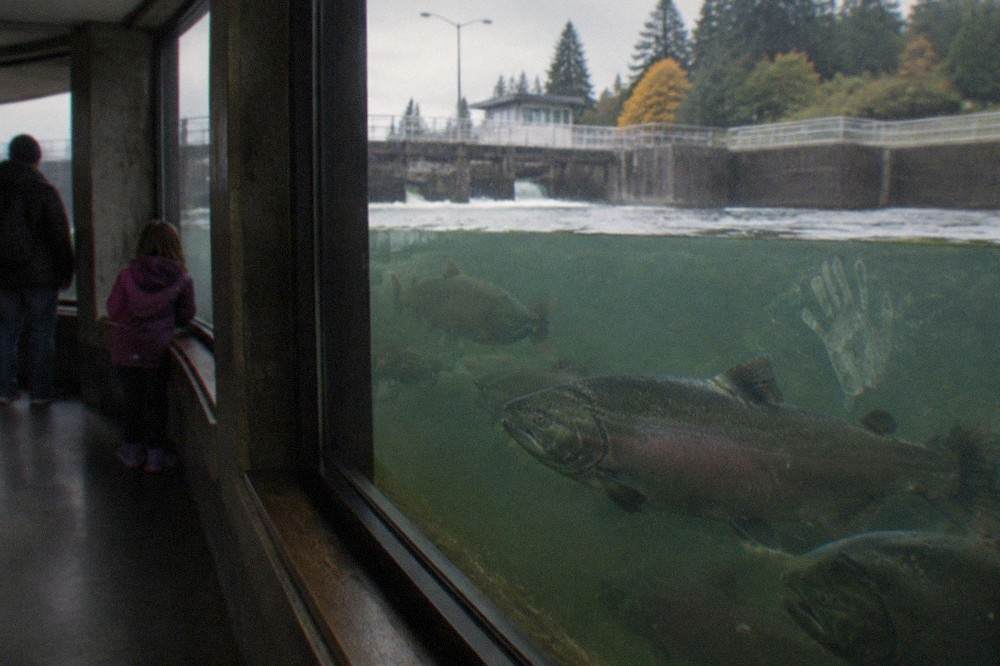
Timing matters more here than anywhere else on this list. Chinook move through primarily from July into November, peaking in the last two weeks of August. Coho follow from August into November, peaking in the last two weeks of September. Outside those windows the ladder can be nearly empty, which is how the spot earns its hidden status: plenty of visitors see it in May, find the glass quiet, and never come back.
| Species | Main Window At The Ladder | Peak Weeks |
|---|---|---|
| Chinook salmon | July to November | Last two weeks of August |
| Coho salmon | August to November | Last two weeks of September |
| Sockeye salmon | Summer run, counts posted seasonally | Varies by year |
| Steelhead | Migratory passage, ladder maintained for them | Varies by run |
The locks are also a working piece of infrastructure, which means maintenance closures can shift access. The large lock has an annual maintenance window in the late fall, with the small lock kept in service for suitable vessels, so anyone planning a visit around the shoulder season should check the Corps of Engineers closure notices before making the trip. The surrounding Ballard neighborhood is covered in more depth in the guide to Ballard Locks boat tours, including the cruise that locks through from the saltwater side.
A boat tour that transits the locks is one of the few ways to experience the elevation change rather than just watch it. The Seattle Locks Cruise, rated 4.8 from 452 reviews, from $63.28, runs a roughly two-hour one-way trip between the waterfront and Lake Union, and the listing carries free cancellation.
Lake Union's Floating Homes And The Boats Nobody Markets
East of the ship canal, Lake Union holds a community of floating homes, some dating back more than a century, plus the Center for Wooden Boats, which runs free Sunday public sails on historic vessels from its dock on South Lake Union. The homes are only really visible from the water, which is exactly why they stay hidden from most visitors.
The floating homes need no introduction once you see them: rows of wooden and modern houses moored along the lake's eastern shore, a neighborhood that predates most of the towers behind it. The Sleepless in Seattle fame brought a brief wave of attention, but the practical reality is that from land there is almost nowhere to stand and look at them. From the water they are the main event. The sightseeing cruises that depart from the north end of the lake, including a BYOB floating-homes cruise rated 4.9 from 118 reviews, from $605.27 for the boat with up to 6 people, exist precisely because the shoreline view is the only complete one.
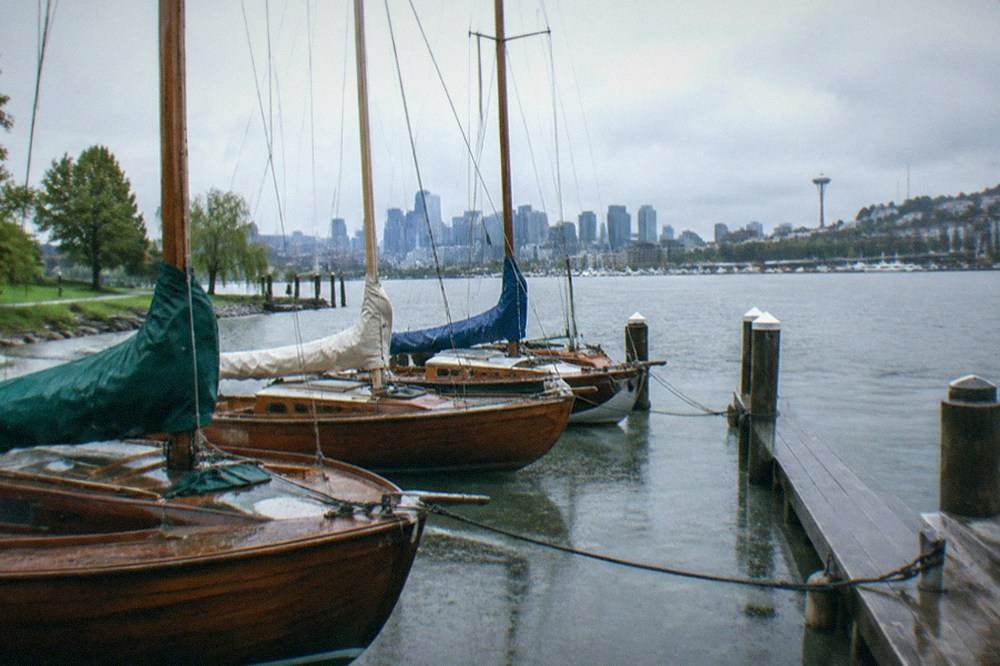
The Center for Wooden Boats is the quieter half of this section and the more genuinely hidden one. It is a small maritime museum on South Lake Union whose Sunday public sail program puts visitors on historic and traditional boats for short voyages, free of charge, first-come and first-served. The 2026 dates ran roughly monthly through the spring and summer. There is no ticket, no booth on the tourist trail and almost no advertising, which is why a museum dock full of century-old hulls sits a 15-minute walk from the South Lake Union tech offices and stays uncrowded.
Between the two, this stretch of lake is the closest thing Seattle has to a working waterfront that is also a neighborhood. Tugboats, kayaks, seaplanes taking off from the lake, and the houseboats share the same water, and an hour circling it explains the city's geography better than any viewpoint on land. For a fuller comparison of the shared and private options on this lake, see the private versus shared boat tour guide.
For visitors pairing this with the harbor, the original guided harbor cruise is the natural complement: it covers the saltwater side of the city, departing Pier 55 for a one-hour narrated loop, rated 4.7 from 2,252 reviews, from $45.7, with free cancellation on the listing.
The Overlook Walk And Pier 58 On The New Waterfront
The central waterfront's rebuild created a roughly 20-acre park along Elliott Bay, including the Overlook Walk, an elevated park linking Pike Place Market to the shoreline, and Pier 58 with a marine-themed playground and lawn. The full Waterfront Park opened in September 2025, which is recent enough that most guidebooks still describe the old waterfront.
This is a hidden gem purely because of timing. Visitors arriving with a pre-2024 mental map of Seattle's waterfront expect a viaduct shadow and a string of tourist shops. What they find instead is a landscaped promenade with protected bike lanes, public art, swings and an elevated walkway that carries pedestrians from the market down toward the aquarium over a drop of roughly 100 feet. The walk itself is free and takes about ten minutes at a stroll, with the Olympic Mountains and Elliott Bay in view the whole way.
The pier numbers still matter to boat tour visitors, since several departures leave from this stretch. Pier 55 hosts the harbor cruises, Pier 54 sits at the south end near the aquarium-adjacent retail, and Pier 56 and Pier 66 carry sailing trips, and dinner cruises depart Fishermen's Terminal. The full rundown of which tour leaves from which pier is in the departure points guide, and the wider question of whether the waterfront merits a visit on its own is covered in is the Seattle waterfront worth visiting.
The Overlook Walk also changed the walking route between two of the city's biggest draws. Pike Place Market and the waterfront used to be separated by a steep street and a staircase; now the connection is a park with terraces and plazas. For cruise passengers with a single free afternoon, this is the most efficient hidden shortcut in the city, and it is one of the reasons the pre-cruise itinerary in the Alaska cruise departure guide now starts at the market rather than at the piers.
The Bainbridge Ferry: A 35-Minute Crossing Treated As Commuting
Washington State Ferries runs a public Seattle to Bainbridge Island crossing from Colman Dock at Pier 52, taking about 35 minutes each way, with an adult round-trip fare of $11.35 collected at the Seattle side and riders 18 and under traveling free. It is ordinary transit to locals and one of the best views in the region to everyone else.
The ferry is not a tour, and this site does not sell it as one. It is public transportation, first-come and first-served for vehicles, running on a published schedule with sailings roughly every 30 to 60 minutes through the day. But the crossing itself delivers the Seattle skyline from the water, the Olympics on a clear day, and the approach to Bainbridge's small harbor town, all for the price of a bus fare. The official WSDOT schedule page carries the current timetable.
| Ferry Fare Category | Approximate Cost | Notes |
|---|---|---|
| Adult passenger, round trip | $11.35 | Collected at Seattle |
| Senior or disability passenger | $5.65 | Round trip |
| Youth, 18 and under | Free | Passenger fare |
| Vehicle under 22 ft with driver | About $27.00 one way | Collected at departure terminal |
| Bicycle surcharge, 19+ | $1.00 | Added to passenger fare |
The hidden-gem framing is simple: nearly every visitor walks past Colman Dock on the way to the aquarium or a cruise terminal, and almost none of them board a boat that costs less than a sandwich and returns them to the same pier 35 minutes later. Walk-on passengers need no reservation. The island side, Winslow, is a walkable town of bookstores, cafes and a small maritime museum, close enough to the dock that a two-hour round trip with coffee on the far side fits between other plans.
For readers weighing the ferry against a paid cruise, the honest comparison is in the ferries versus tour boats guide. The short version: the ferry is a scheduled crossing with a fixed route and no narration, while the tours below circle, stop and explain.
Whale Watching From Seattle: The Overlooked Day Trip
Half-day whale and wildlife cruises depart directly from 2701 Alaskan Way on the Seattle waterfront, from $150 per person, which surprises visitors who assume whale watching requires a full day in the San Juan Islands. Bigg's orcas are present in Puget Sound year-round, humpbacks are most common May through October, and gray whales pass February through May.
No operator can promise a sighting, and this article will not either. What can be said plainly is the season windows: Bigg's, the transient orca ecotype now commonly encountered across the Sound, are present all year. Southern Resident killer whales, the endangered fish-eating population, are most reliably in the wider Salish Sea roughly April and May through September and October. Humpbacks build through summer with peak surface activity often in late summer, and the local gray whale group called the Sounders feeds in North Puget Sound from February into May.
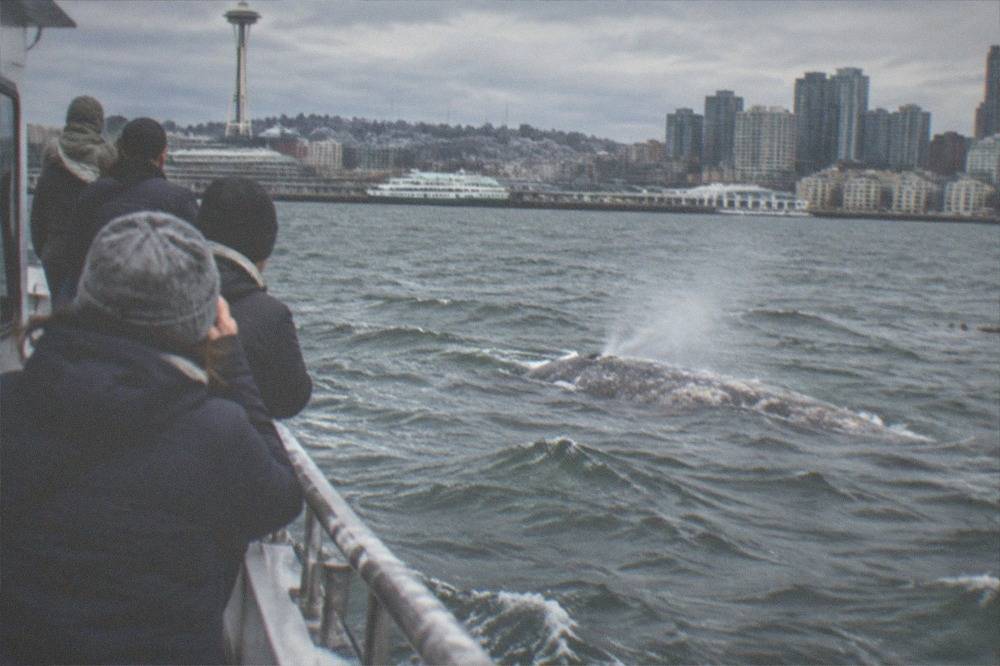
The wildlife cruise on this site's roster, rated 4.5 from 653 reviews and carrying free cancellation, runs 3 to 5 hours from the central waterfront, and its listing carries a "Likely to sell out" badge. A second half-day option from the same departure point is rated 4.3 from 390 reviews, from $154.97. Both are genuinely from Seattle, not from Anacortes or the islands, which is the whole point of the hidden-gem framing: the day trip most people think requires a ferry connection actually leaves from a 10-minute walk from the downtown hotels.
One thing worth knowing before boarding is that whale watching here operates under strict distance rules. Boaters must stay 1,000 yards from Southern Resident killer whales, travel under 7 knots within half a mile of them, and disengage their transmission if the whales surface within 400 yards. Other orca ecotypes carry a 200-yard minimum. The full set of rules is published at Be Whale Wise, the NOAA Fisheries partner site, and commercial tours follow them as a condition of operating.
When To Find These Spots Without The Crowds
Seattle's boating and visitor high season runs roughly April and May through October, aligned with long daylight and the Port of Seattle's cruise season, which in 2026 brought about 2.1 million passengers through the terminals. May, early June and late September are the sweet spots: full schedules, thinner crowds, and salmon or whales depending on the month.
The seasonal logic is worth understanding because it is the difference between a hidden gem and a hidden queue. The Alaska cruise season, which ran from mid-April to mid-October in 2026, is the single biggest driver of waterfront foot traffic; on days when two ships are in port, the Overlook Walk and the aquarium approach feel like anything but hidden. Midweek mornings in the same weeks can feel empty by comparison. The Port of Seattle's cruise season page is the source for the call and passenger figures.
| Month | What Is Quiet | What Is Active |
|---|---|---|
| February to April | Waterfront, ferries, Lake Union | Gray whales in North Puget Sound |
| May to mid-June | Most everything before peak cruise | Humpbacks arriving, locks grounds |
| July to August | Nothing, plan around ships | Chinook peak at the fish ladder |
| September | Waterfront after Labor Day | Coho peak, J pod activity in the Sound |
| November to March | The whole list, rain included | Reduced or suspended tour schedules |
Rain is the other variable, and it is smaller than the reputation suggests. The wettest months are November through January, but summer is genuinely dry; July and August average well under an inch each. The hidden-gem corollary is that the off-season is when the gems are at their emptiest, and several of them, the locks grounds, the waterfront park, the ferry, are outdoor spaces that cost nothing and do not close for weather. Tour schedules do thin out, though: many operators reduce or suspend regular public sailings from November through March or April, so the paid portions of this itinerary are a fair-weather plan.
Putting The Hidden Gems Together In One Day
A realistic single day pairs the locks fish ladder in the morning, a Lake Union or harbor cruise around midday, the Overlook Walk and waterfront in the afternoon, and a sunset sail to close, with the Bainbridge ferry saved for a second day. Trying to combine the whale trip with the rest does not work; it runs 3 to 5 hours on its own.
The honest arithmetic is that the hidden gems cluster on water, and the paid options are the connective tissue. Seattle's Original Guided Harbor Cruise, the one-hour narrated loop from Pier 55 rated 4.7 from 2,252 reviews, from $45.7 with free cancellation, is the midday anchor: it explains the container terminals, the stadium shoreline and the skyline in an hour, and its listing shows real momentum with a "5+ bookings in the past 6 hours" badge. The sunset sail from 2201 Alaskan Way, rated 4.8 from 723 reviews, from $65, is the evening bookend, and the whale cruise is its own dedicated day.
For readers who want the full comparison of every format and price point on this roster, the best boat tour in Seattle breaks it down by budget and by group size, and Seattle Boat Tours keeps the whole current roster with live prices and availability.
Common Questions About Seattle's Hidden Gems
What Are Seattle's Hidden Gems?
The Ballard Locks fish ladder, the Center for Wooden Boats and its free public sails, the floating homes of Lake Union, the Overlook Walk and Pier 58 on the new waterfront park, the Bainbridge Island ferry crossing, and half-day whale watching that departs from the city itself. Each is within about 30 to 40 minutes of downtown.
When Can You See Salmon At The Ballard Locks?
Chinook pass primarily from July into November, peaking in the last two weeks of August. Coho run from August into November, peaking in the last two weeks of September. The fish ladder viewing room is open daily until 8:45 p.m., and the grounds until 9 p.m.
Is The Bainbridge Ferry A Tour?
No. It is a public Washington State Ferries crossing from Colman Dock at Pier 52, taking about 35 minutes each way, with an adult round-trip fare of $11.35 and riders 18 and under free. It is excellent scenery for the price of transit, but it runs on a fixed schedule with no narration, and this site does not sell it as a tour.
Can You See Whales Near Seattle?
Sometimes, never guaranteed. Half-day wildlife cruises depart from the central waterfront, from $150 per person. Bigg's orcas are present year-round, humpbacks are most common May through October, and gray whales pass February through May. Southern Resident killer whales are most reliably in the wider Salish Sea from roughly April and May through September and October.
What Is The Overlook Walk?
An elevated park section of the rebuilt central waterfront that links Pike Place Market to Elliott Bay, crossing roughly 100 feet of elevation change with terraces, plazas and views of the Olympics. It opened as part of the roughly 20-acre waterfront rebuild. 20-acre Waterfront Park, which was completed in 2025, and it is free.
Do Boat Tours In Seattle Run In Winter?
Most reduce or suspend regular public sailings from November through March or April. The high season runs roughly April and May through October, aligned with longer daylight and the Alaska cruise season. The free outdoor gems on this list, the locks grounds, the waterfront park and the ferry, stay open year-round.